
Ada County Metal Fabrication Boise Crews Book Locally
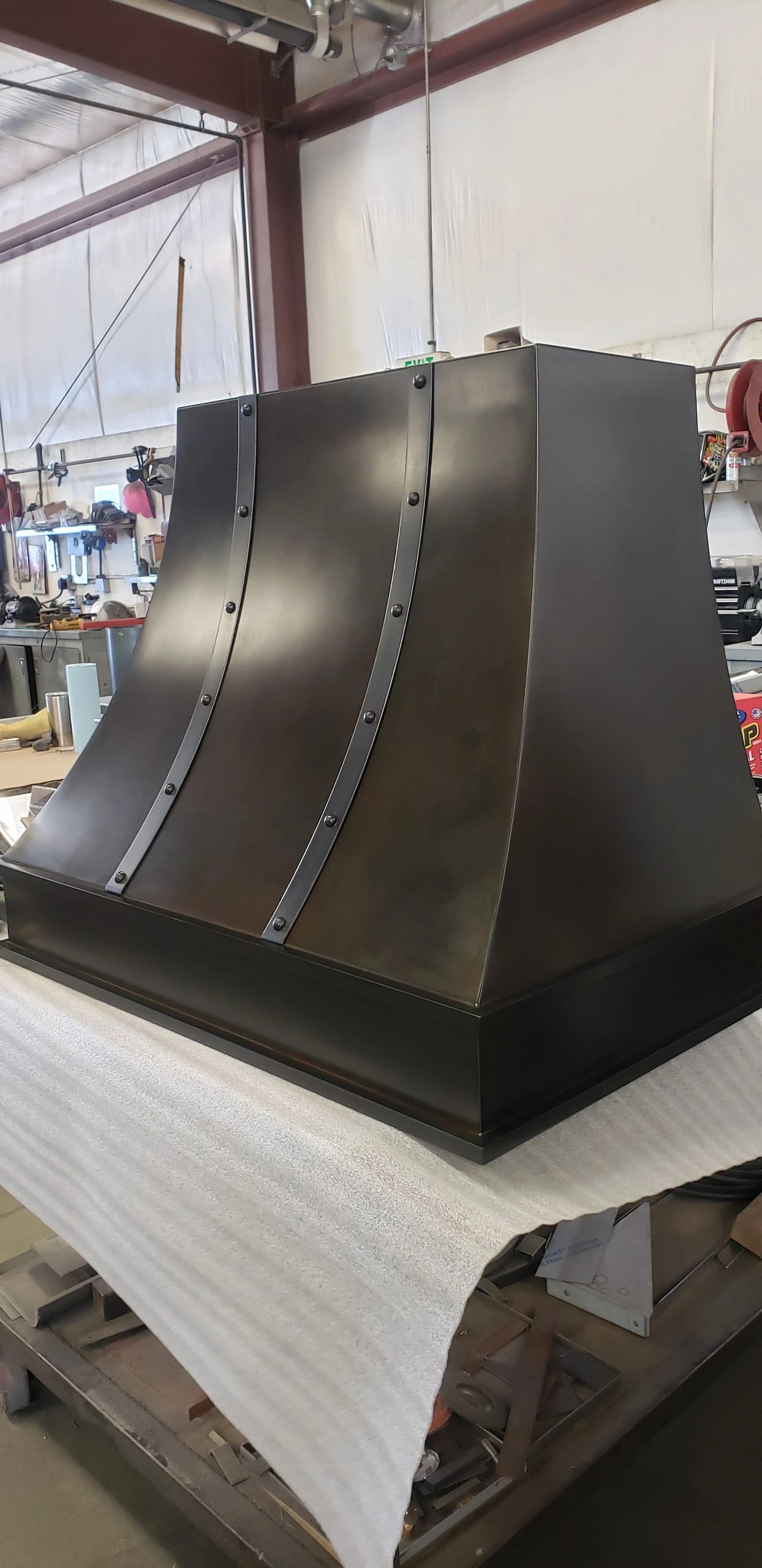
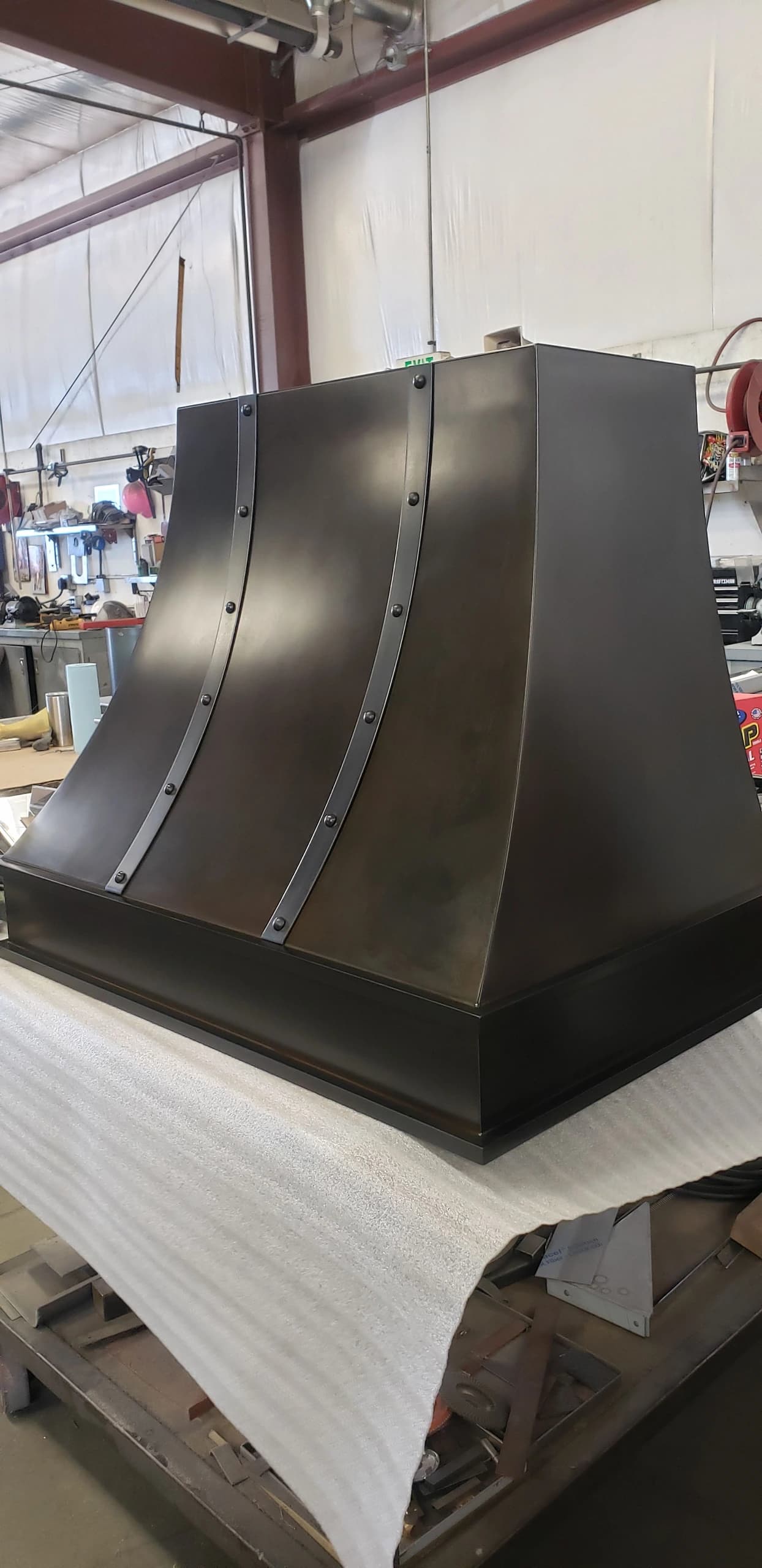
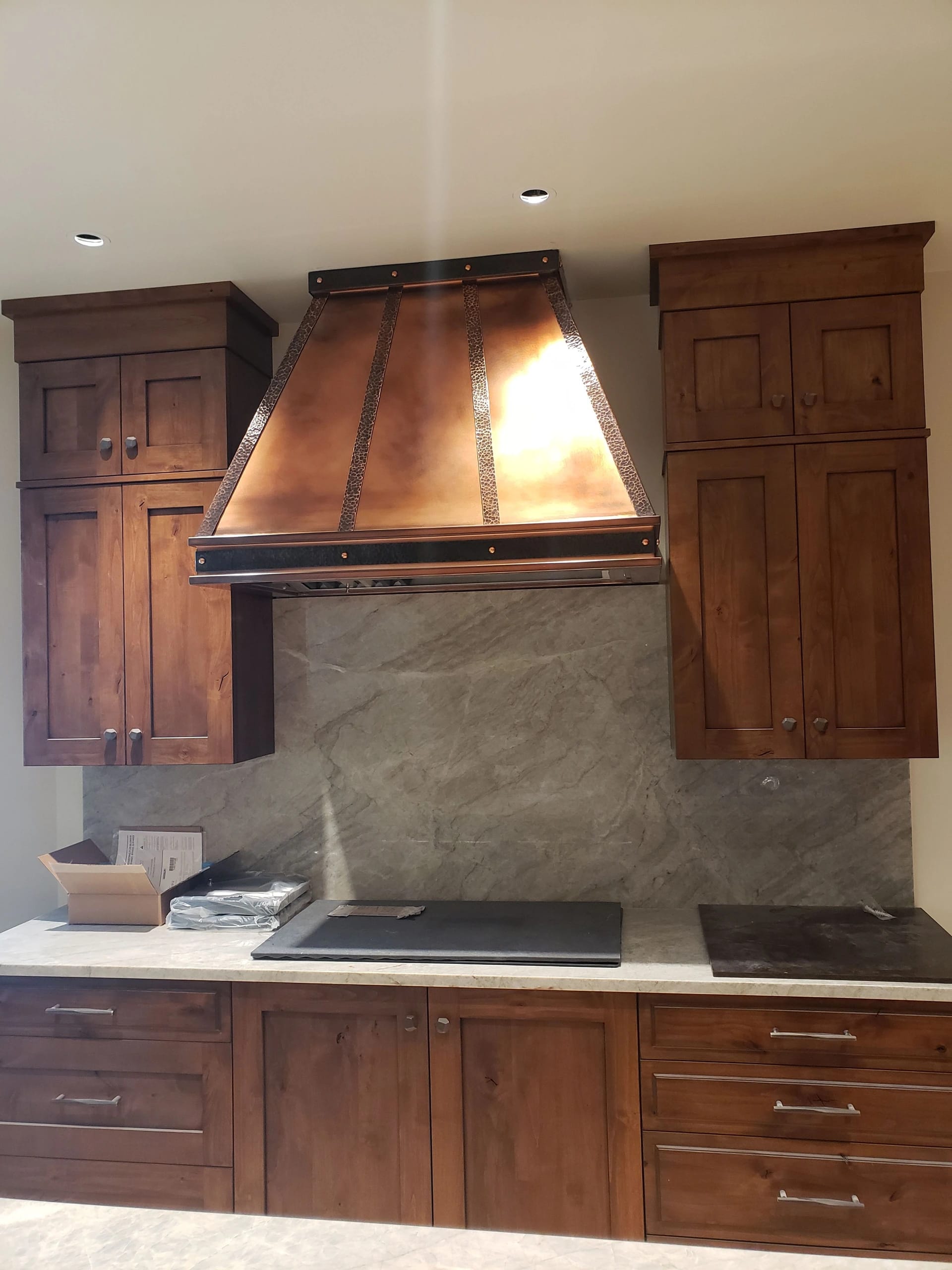
Metal Fabrication Boise starts with drawings that leave Ada County and return as finished shop metal. Erwin Custom Fabrication cuts, welds, forms, and finishes structural steel, sheet metal, aluminum, and stainless at 811 N Kings Rd, Nampa, ID 83687. Residential and commercial clients have used this floor since 1993.
A Hyde Park remodel void that refuses a stock panel, or a Capitol Boulevard storefront surround that misses glass by half an inch, needs a fabricator who works from your tape. Call (208) 856-6487. Email info@erwinfab.com. Hours are Monday through Thursday, 7:00 AM to 4:30 PM. The Erwin Custom Fabrication homepage lists the full metal menu.
Storefront Reveals, Remodel Voids, and Mixed-Metal Packages in Boise
Downtown and West End storefronts ask for kick plates and surrounds cut to finished glass widths. Trimming after polish ruins the face.
Older Bench and North End walls leave stud layouts that ignore modern bracket kits. An almost-right mount still shows a paint gap.
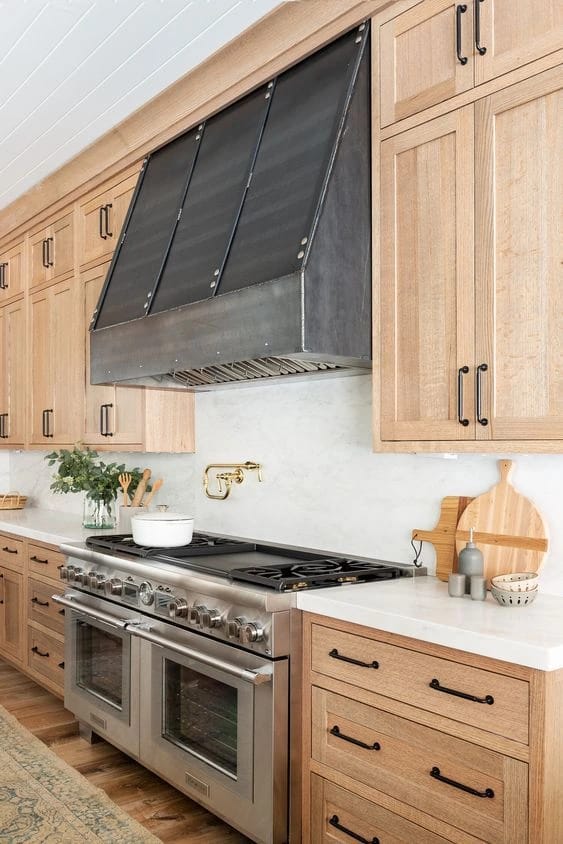
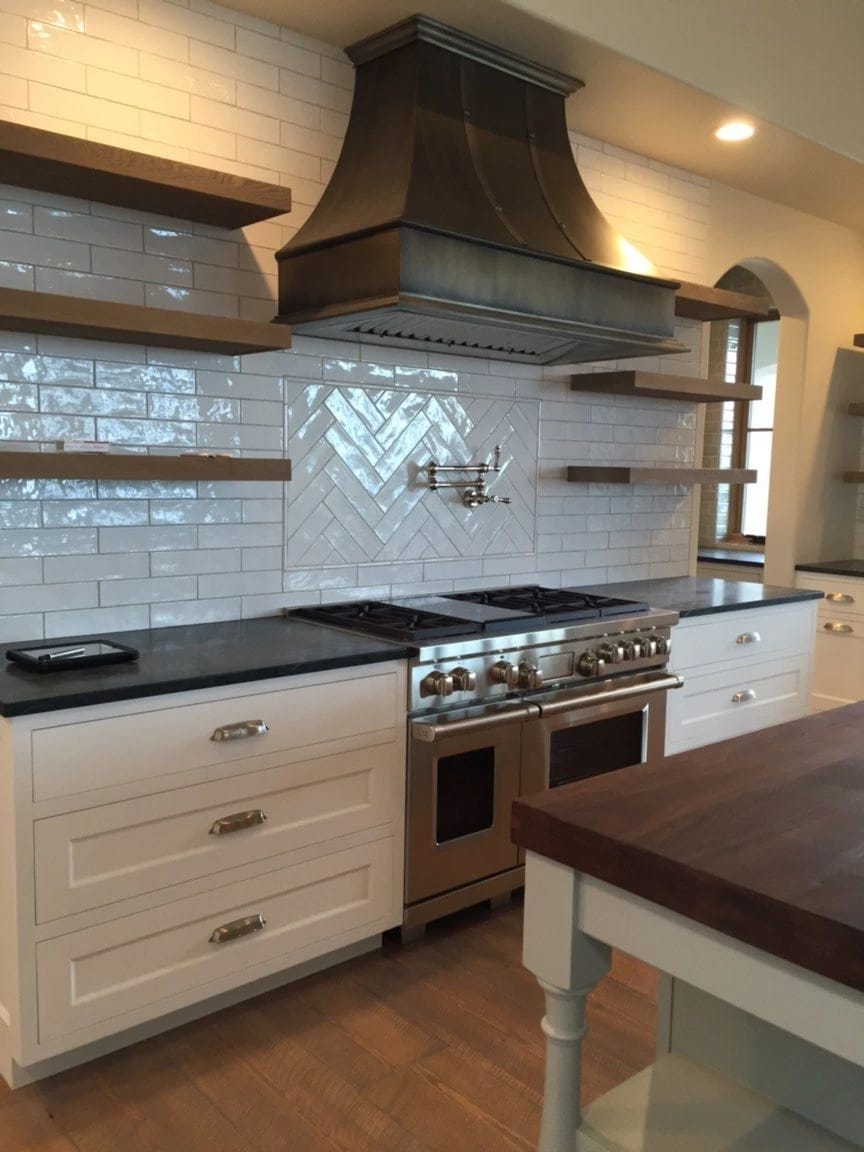
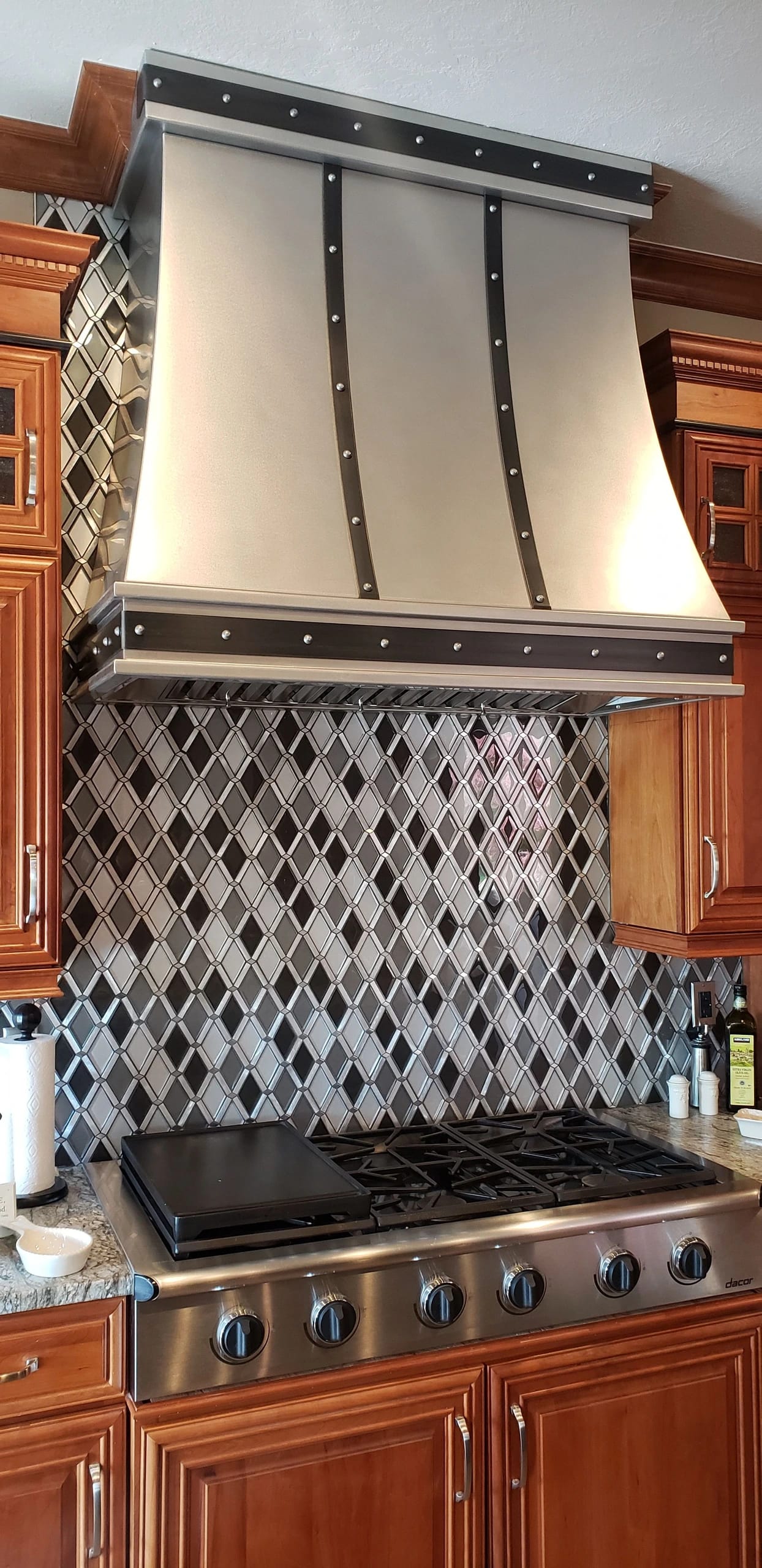
Jobs that mix stainless hoods with steel clips and sheet metal panels need one shop plan. Ordering those metals from three vendors leaves uneven finish notes on install day.
What Boise Metal Fabrication Orders Usually Include
- Valley-wide custom metal fabrication supplies welding, structural steel, sheet metal, aluminum, stainless, and laser cutting.
- Shop metal fabrication sized for Boise openings turns field measurements into finished pieces.
- Metal fabrication for Meridian Ten Mile remodels when your crew also works west Ada County.
- Load-focused steel fabrication for Boise supports when frames must carry real weight.
- Lighter aluminum fabrication for Boise panels and racks when steel would overbuild the part.
- Stair handrail fabrication for Boise landings when rails share the remodel scope.
- Boise neighborhood fabrication coverage for Ada County access notes.
Quote Delays That Push Boise Metal Jobs Off Calendar
Traveling vendors disappear after the first size change. Framing and finish crews already booked cannot sit idle for a second mail-order try.
Vague phone quotes also hide metal type. A written custom fabrication quote during shop hours locks scope before any cut.
Erwin Custom Fabrication is a metal fabricator, aluminum welder, sheet metal contractor, and welder with 32 years on Kings Road. Free project consultation and custom fabrication quotes are available when you share sizes and photos.
Boise Districts Sending Metal Fabrication Work
Hyde Park and North End remodels send panel and bracket jobs often. Downtown and West End commercial rooms send surrounds and sheet metal. Warm Springs and southeast Boise homes follow with gates, rails, and kitchen metal.
Garden City and Meridian sites can be quoted when capacity allows.
Handing Boise Drawings Off on the I-84 Corridor
Boise crews commonly leave town west on I-84, then stop at North Kings Road in Nampa between other Canyon County errands.
Bring overall sizes, mount type, metal preference, and a clear photo of each void. That packet replaces most guesswork.
Metal Fabrication Sequence for a Boise Job
- Share sketches, sizes, and site photos by phone or email.
- Confirm which metals and finishes belong in the package.
- Approve written custom fabrication pricing.
- We fabricate on Kings Road in Nampa.
- Your installer receives finished pieces for the Boise site.
Talk Through Metal Fabrication Scope for Boise
Reach Erwin Custom Fabrication at (208) 856-6487 or info@erwinfab.com. Send Boise drawings during published hours and we will build metal that matches the opening.
Ada County Answers on Metal Fabrication
Real questions before you send Boise drawings to Kings Road.