

Services

Boise Handrail Fabrication

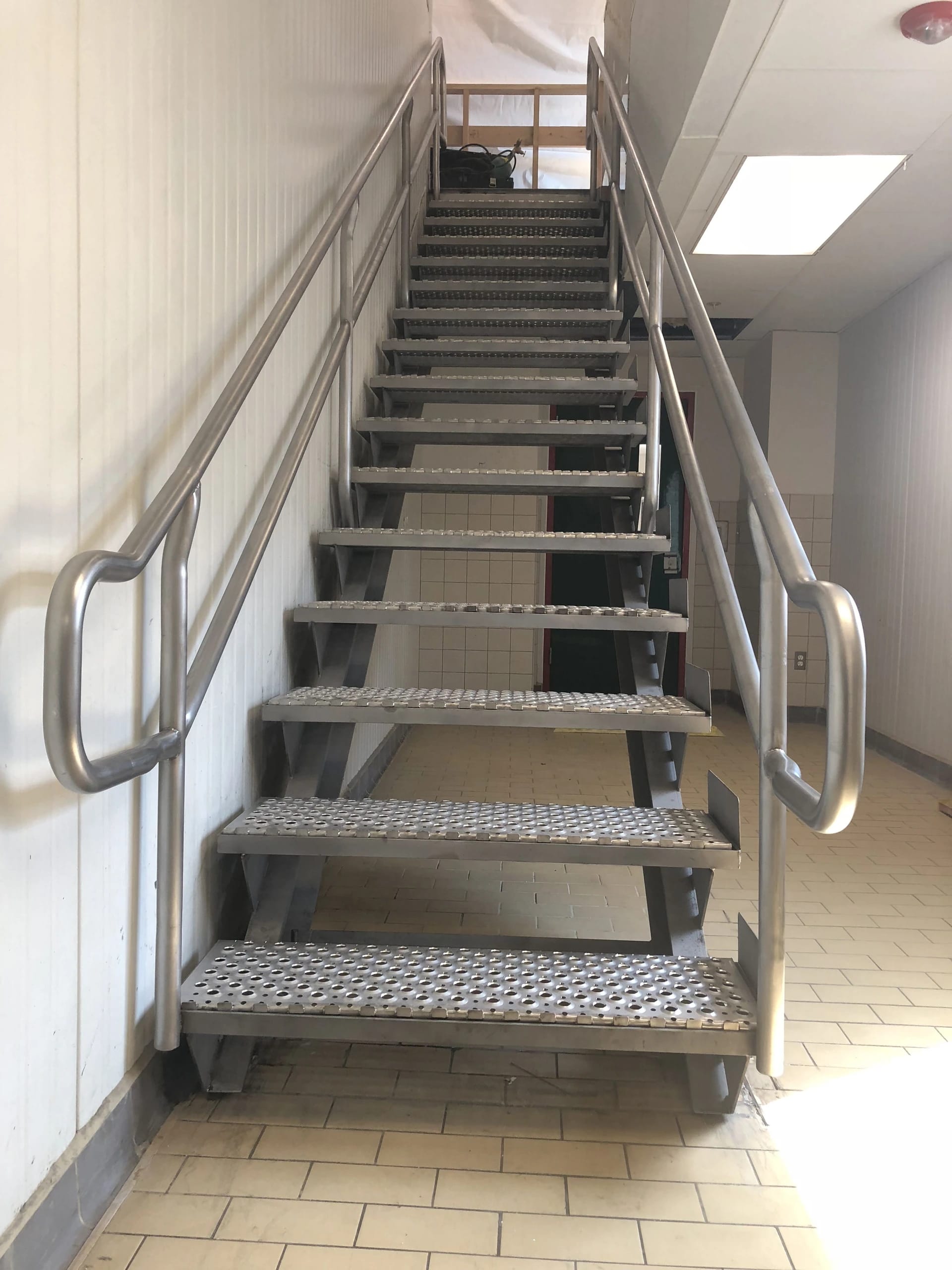
Boise handrail fabrication involves building custom rail systems that are designed around the exact stair layout, walking surface, mounting condition, and safety requirements of the project. Rather than using pre-made rail sections, this type of work focuses on fabricating handrails and guardrails that fit the rise, run, transitions, and attachment points of a specific space. Projects may include interior stair handrails, exterior entry railings, landing rail systems, and guardrails for decks, walkways, or elevated platforms. Depending on the application, materials such as mild steel, stainless steel, or aluminum may be selected based on strength, finish requirements, and exposure to weather.

Handrail Systems in Boise Built for Stairs, Landings, and Code-Driven Installations

Boise handrail fabrication covers more than a single rail attached to a wall. It often includes complete handrail and guardrail assemblies for staircases, switchback stairs, elevated walkways, balcony edges, ramps, and exterior approach paths. The primary output is a railing system that must match real dimensions, meet spacing and height requirements, and attach correctly to surrounding surfaces. Because stair pitch, landing geometry, and substrate conditions vary from one project to another, handrail fabrication usually begins with detailed measurements or drawings rather than standard off-the-shelf sections.

Some projects also connect to broader fabrication needs depending on how the railing system is built. A stair installation may tie into expert metal fabrication Boise when platforms, brackets, or supporting components are required as part of the same build. Projects with heavier-duty railing posts or structural tie-ins may involve steel fabrication in Boise, while exterior rail systems exposed to moisture may benefit from Boise aluminum fabrication where lower weight and corrosion resistance are priorities. This allows the handrail system to be built around actual site conditions rather than forcing standard rail parts into place.

Boise Handrail Fabrication

Where Boise Handrail Fabrication Is Commonly Used

Custom handrail fabrication is commonly used in homes, commercial spaces, and public-facing buildings in Boise, ID. In older neighborhoods such as the North End and parts of the Bench, handrail work often comes up during renovations where existing stairs were built to older dimensions or where new finishes require updated railing systems. In these projects, the rail must often be fabricated around existing stair geometry, wall conditions, or landing layouts rather than installed as a simple replacement part.

In busier commercial areas such as Downtown Boise and near Broadway Avenue, handrail systems are often needed for exterior entries, interior stairwells, ramps, and multi-level tenant spaces. These installations usually carry stricter expectations for safety, durability, and repeated daily use. Along areas near the Boise River Greenbelt and other exterior pedestrian routes, railings may also need to handle moisture, direct sun, and temperature swings while maintaining a secure grip surface and consistent structural support. In each of these settings, the design of the rail system is shaped by how people actually use the space.

Why Custom Handrail Fabrication Solves Problems Standard Rail Systems Do Not

Handrail systems are often treated like finish items, but in practice they function as safety components that need to align with real field conditions. Standard railing kits may work on simple layouts, but they become harder to use when stairs include intermediate landings, non-standard angles, uneven mounting surfaces, or transitions between wall-mounted and post-mounted sections. In those cases, forcing a pre-made system into the space can create fit problems, awkward transitions, or installation compromises.

Custom handrail fabrication allows the rail to be built around the actual slope, turning points, post spacing, and attachment method required by the project. That matters not only for appearance, but for how the system performs under regular use. A properly fabricated rail system can be laid out to support safer movement, cleaner alignment, and more reliable installation, especially in projects where the stair or walkway itself is not perfectly uniform.

Material, Mounting, and Outdoor Exposure Considerations for Handrail Work in Boise

The success of a handrail project depends heavily on material choice and mounting conditions. Mild steel is often selected where rigidity and strength are the priority, especially for post-mounted systems or commercial stair rails that need a more substantial structural feel. Stainless steel may be used where a cleaner finish and greater corrosion resistance are needed, while aluminum can make sense for certain exterior applications where lower weight and reduced maintenance are important. The finish also affects performance, since grip feel, weather exposure, and long-term appearance all change depending on whether the rail is painted, powder coated, brushed, or left in a more natural metal finish.

Boise projects also present a mix of installation challenges that affect fabrication decisions. Exterior railings may be exposed to sun, moisture, and seasonal temperature changes, which can influence finish selection and hardware planning. Interior retrofit work in older homes or remodeled commercial spaces may involve uneven wall surfaces, inconsistent stair dimensions, or mounting locations that do not line up cleanly with standard hardware layouts. Because of those conditions, handrails often need custom brackets, base plates, or post spacing adjustments so the final system fits correctly and performs reliably once installed.

What to Know Before Installing a Custom Handrail in Boise

What Does Custom Handrail Fabrication Include?

Custom handrail fabrication can include wall-mounted handrails, stair rail systems, guardrails, landing rails, and other safety-related railing components. The exact scope depends on the application—whether it’s for stairs, ramps, decks, balconies, or walkways. Many projects also involve custom brackets, posts, and mounting hardware designed to fit the specific structure.

Which Material Is Best for a Handrail System?

The best material depends on the environment and intended use. Steel is commonly selected for its strength and durability, stainless steel for corrosion resistance and a clean finish, and aluminum for lightweight exterior applications. The right choice should align with exposure to the elements, design preferences, and structural requirements.

Can You Add a Handrail to an Existing Staircase?

Yes, custom handrails are often designed for existing staircases and renovation projects. Accurate field measurements or detailed plans are used to ensure the rail aligns with the stair pitch, landing dimensions, and mounting conditions. This is especially important when working with non-standard layouts.

Why Choose Custom Fabrication Over Pre-Made Systems?

Custom fabrication allows the handrail system to be built specifically for the space, accommodating unique dimensions, angles, and mounting conditions. It also provides more control over material selection, finish, and design details—resulting in a better fit, improved durability, and a more cohesive final appearance.

Expert Handrail Fabrication in Boise

Handrail systems perform best when they are designed as part of the overall structure—not added as an afterthought. Whether for an interior staircase, exterior entry, or elevated surface requiring a guardrail, the system must align with the layout, support requirements, and environmental conditions of the space. Custom fabrication ensures each component is built to match real-world conditions, improving both safety and long-term performance.

Call Erwin Custom Fabrication at (208) 856-6487 to request a custom quote for handrail fabrication in Boise.